


Mon - Fri: 10:00 - 15:30

Who We Are
Our Team
Our success is only possible because of the dedication of our staff, volunteers, trustees and patrons.
Be part of CFAB’s mission to protect children and unite them with their families.
Check below for opportunities to join our team.
As a cross-border, cross-culture children’s charity, Equality, Diversity and Inclusion is at the heart of what we do. We are committed to fostering a workplace that promotes mutual respect and allows equal opportunity for all. We seek applications for candidates with diverse backgrounds including, but not at all limited to, family overseas, experience being raised by non-biological parents, ethnic minority communities and people with health conditions or impairments.
Be part of CFAB’s mission to protect children and unite them with their families.
Check below for opportunities to join our team.
As a cross-border, cross-culture children’s charity, Equality, Diversity and Inclusion is at the heart of what we do. We are committed to fostering a workplace that promotes mutual respect and allows equal opportunity for all. We seek applications for candidates with diverse backgrounds including, but not at all limited to, family overseas, experience being raised by non-biological parents, ethnic minority communities and people with health conditions or impairments.
Staff


Carolyn Housman
CEO
Chandni Radia
Deputy CEO
Sorcha Morgan
Head of Service

Liz Nuamah
Head of Finance & HR
Fiona Robinson
Service Manager

Karen Fermor
Trust Fundraiser
Michael Nwoye
Inter-Country Social Worker
Nadine Wesslowski
Inter-Country Social Worker
Chloe Hubert
post placement support project and immigration advice
Ruth Chappell
Project Social Worker
Judi Martin
Policy and Communications Officer
Arif Raihan
ISS Team Caseworker
Lara van der Horst
Digital Engagement and Outreach LEad
Vida Douglas
Academic Advisor
Anna Lee
Intercountry Caseworker
Jingyi Yang
Finance and Business Support Officer
Ellie Rathmell
Inter-Country Social Worker
Trustees

.png)
Michael Phair
Chairman

Anita Kara
Vice Chair

Douglas Lewis CBE
President

Marija Martinovic
Treasurer

Mark Tate

Christopher Hames KC

Angie Garvich

Karina Kim Peen

Victoria Mellor

Richard Morris MBE

Cornelia Andrecut

Hilka Hollmann
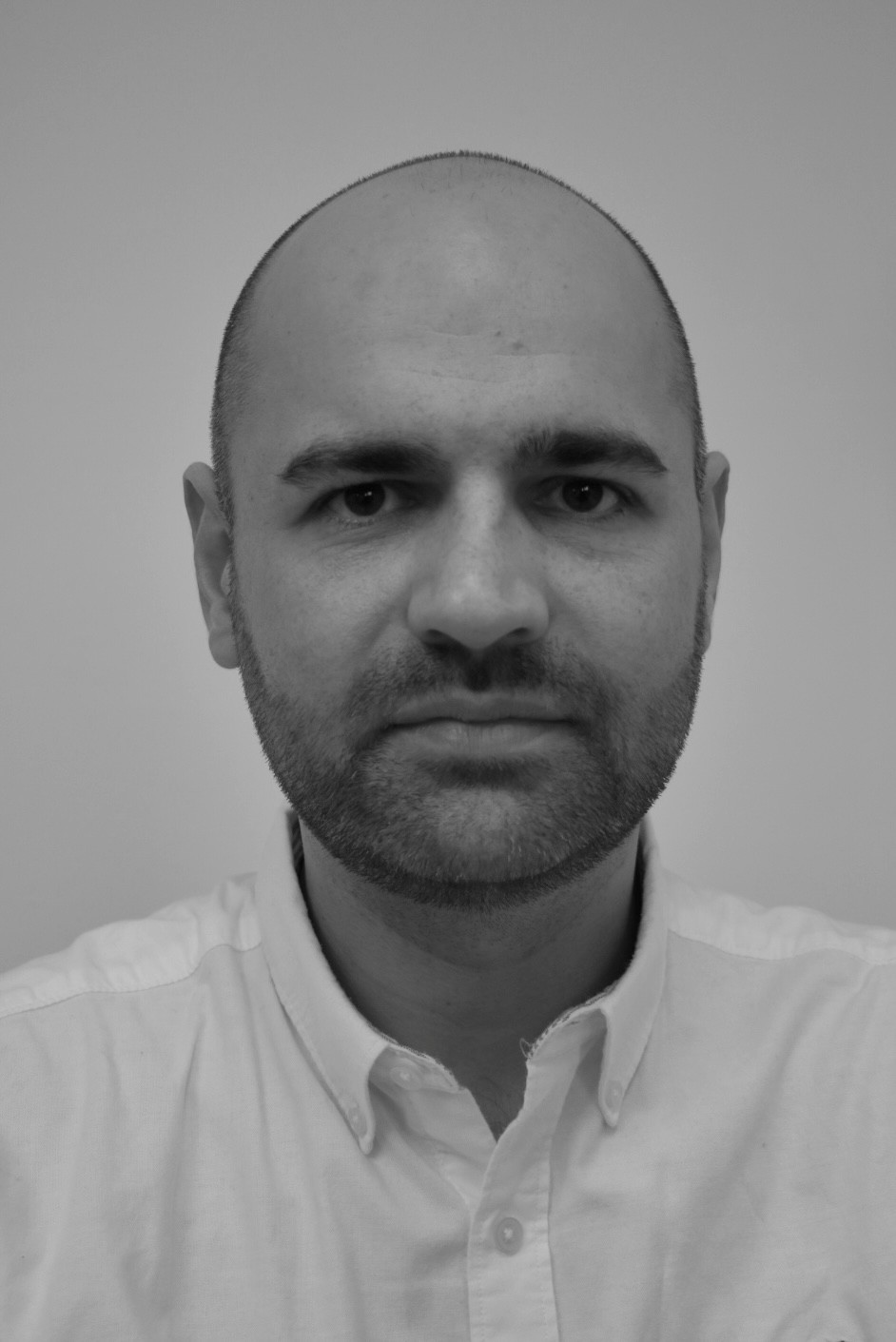
Robert Henderson

Danny Nagra
Royal Patrons
HRH Princess Alexandra
Patrons
Steve Rider
Baroness Scotland PC, KC
Dalal Al-Duwaisan
Sarah Sillem
Monir Sattaripour
Sir Harvey McGrath
Work with us
Work with Us
Working at CFAB you can make a real difference to the lives of children separated from their families across international borders.
As a cross-border, cross-culture children’s charity, Equality, Diversity and Inclusion is at the heart of what we do. We are committed to fostering a workplace that promotes mutual respect and allows equal opportunity for all. We seek applications from candidates with diverse backgrounds including, but not at all limited to, family overseas, experience being raised by non-biological parents, ethnic minority communities and people with health conditions or impairments.
All current vacancies are advertised below. To stay up to date on our opportunities, subscribe to our newsletter.
Benefits of working at CFAB:
As well as working with a friendly and diverse team, we also provide a competitive benefits package to all employees including:
26 days of annual leave plus two personal days
5% Employers Pension Contribution
An Employee Assistance Programme which includes access to private GP appointments, mental health support and retail and leisure discounts
Flexible and hybrid working
A Time Off In Lieu (TOIL) policy for overtime worked
7 hours of volunteering leave per year
A generous personal training allowance and development opportunities
Long-term Service Awards
Employee Recognition Awards
Access to a Working From Home Equipment Fund
Eye Care Scheme
Regular social events
As a cross-border, cross-culture children’s charity, Equality, Diversity and Inclusion is at the heart of what we do. We are committed to fostering a workplace that promotes mutual respect and allows equal opportunity for all. We seek applications from candidates with diverse backgrounds including, but not at all limited to, family overseas, experience being raised by non-biological parents, ethnic minority communities and people with health conditions or impairments.
All current vacancies are advertised below. To stay up to date on our opportunities, subscribe to our newsletter.
Benefits of working at CFAB:
As well as working with a friendly and diverse team, we also provide a competitive benefits package to all employees including:
26 days of annual leave plus two personal days
5% Employers Pension Contribution
An Employee Assistance Programme which includes access to private GP appointments, mental health support and retail and leisure discounts
Flexible and hybrid working
A Time Off In Lieu (TOIL) policy for overtime worked
7 hours of volunteering leave per year
A generous personal training allowance and development opportunities
Long-term Service Awards
Employee Recognition Awards
Access to a Working From Home Equipment Fund
Eye Care Scheme
Regular social events
Current Vacancies
Experts by Experience Advisory Group
Could you be part of our Experts by Experience Advisory Group to help make a positive contribution to our efforts to protect children and reunite them with family overseas?
CFAB is creating an Experts by Experience Advisory Group and is looking for people to join and support our work. The purpose of our engagement would be to would be to embed the voices and insights of individuals with direct and personal experience of aspects of our work into the service design and decision-making processes within CFAB. We would consider individuals with direct, personal experience of international kinship care, international adoption, alternative care, international migration and asylum as experts by experience.
Please find out more here.
Volunteering
We value the unique contribution that every volunteer brings to CFAB. By donating your time, you can help us give more children access to a safe home.
If you are interested in volunteering contact us with your CV and introductory letter at jobs@cfab.org.uk.
For any questions about our team, trustees and patrons or our current job opportunities contact us.
If you are interested in volunteering contact us with your CV and introductory letter at jobs@cfab.org.uk.
For any questions about our team, trustees and patrons or our current job opportunities contact us.

